

Maintaining a healthy weight is essential for your pet’s overall well-being and longevity. Just like humans, pets can suffer from weight-related health issues such as diabetes, arthritis, and heart disease. Keeping your pet at an ideal weight requires a combination of balanced nutrition, regular exercise, and mindful habits. Here’s a detailed guide on how to manage your pet’s weight effectively.
Understanding Your Pet’s Ideal Weight
Consult Your Veterinarian
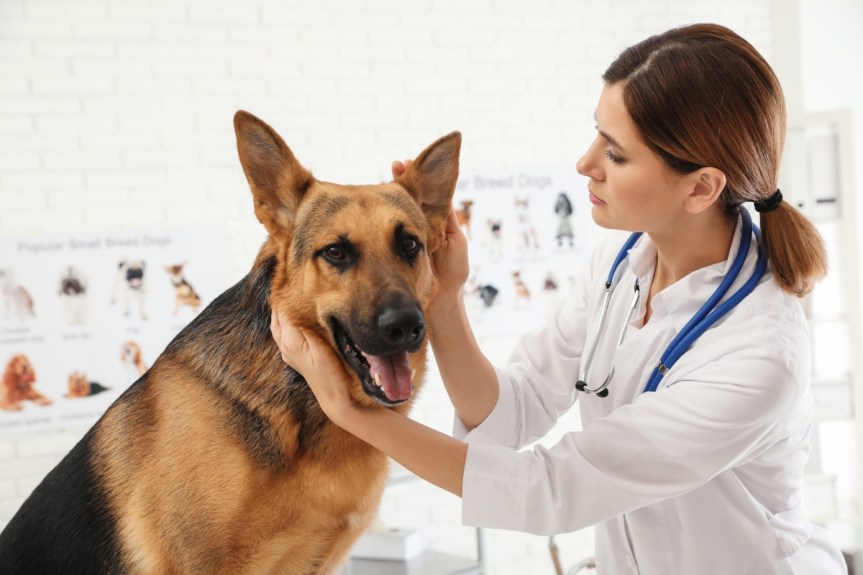
Before embarking on any weight management plan, it’s crucial to consult your veterinarian. They can assess your pet’s current health status, determine their ideal weight, and recommend a suitable diet and exercise plan. Regular veterinary check-ups are essential to monitor your pet’s progress and make necessary adjustments.
Recognize the Signs of Overweight
Common signs that your pet might be overweight include difficulty feeling their ribs, a lack of a defined waist, and visible fat deposits. You may also notice reduced activity levels and difficulty moving or breathing. Early recognition of these signs can help you address weight issues before they become severe.
Balanced Nutrition
Choose the Right Food
Selecting the right food is the cornerstone of weight management. Opt for high-quality pet food that provides balanced nutrition without excessive calories. Look for foods labeled as “light” or “weight management,” which are formulated to be lower in calories while still providing essential nutrients.
Measure Portions
Overfeeding is a common cause of weight gain in pets. Use a measuring cup to ensure you’re giving the correct portion sizes as recommended by your veterinarian or the food manufacturer. Avoid free-feeding (leaving food out all day), which can lead to overeating.
Avoid Table Scraps and Treats
Table scraps and treats can add significant calories to your pet’s diet. Limit treats to no more than 10% of your pet’s daily caloric intake. Opt for healthy treats like carrot sticks, apple slices, or specially formulated low-calorie pet treats. Avoid feeding high-fat and high-sugar human foods to your pet.
Regular Exercise
Daily Walks
For dogs, daily walks are an excellent way to burn calories and maintain a healthy weight. Aim for at least 30 minutes of walking per day, adjusting the duration and intensity based on your dog’s breed, age, and health status. Vary the routes to keep your pet engaged and mentally stimulated.
Playtime
Interactive playtime is crucial for both dogs and cats. Engage your dog with games like fetch or tug-of-war. For cats, use toys like feather wands, laser pointers, and interactive puzzle toys to encourage active play. Regular play sessions help burn excess calories and keep your pet mentally sharp.
Structured Activities
Consider structured activities like agility training, swimming, or canine sports for dogs. These activities provide a fun way to exercise while strengthening the bond between you and your pet. For cats, climbing trees, scratching posts, and tunnels can promote physical activity.
Monitoring Progress
Regular Weigh-Ins
Regular weigh-ins can help track your pet’s weight loss progress. Weigh your pet at home using a pet scale or at the veterinarian’s office. Keep a record of the weights to identify trends and make necessary adjustments to the diet and exercise plan.
Body Condition Scoring
Use a body condition score (BCS) chart to evaluate your pet’s body condition. The BCS ranges from 1 to 9, with 1 being severely underweight and 9 being severely overweight. Aim for a BCS of 4 or 5, which indicates a healthy weight. Your veterinarian can show you how to assess your pet’s BCS accurately.
Creating a Supportive Environment
Consistent Routine
Establishing a consistent routine for feeding and exercise helps your pet understand what to expect and reduces stress. Feed your pet at the same times each day and schedule regular exercise sessions. Consistency helps reinforce good habits and promotes a healthy lifestyle.
Family Involvement
Involve all family members in your pet’s weight management plan. Ensure everyone understands the importance of maintaining your pet’s diet and exercise regimen. Avoid giving in to begging behaviors and ensure that treats are given sparingly and appropriately.
Special Considerations
Age and Health Conditions
Adjust your pet’s diet and exercise plan based on their age and any underlying health conditions. Senior pets may require a different approach compared to younger, more active animals. Pets with medical conditions such as arthritis may need low-impact exercises to avoid strain.
Professional Help
If you’re struggling to manage your pet’s weight, consider seeking help from a veterinary nutritionist or a pet dietician. These professionals can provide personalized advice and create a tailored weight management plan for your pet.
Conclusion
Managing your pet’s weight is an ongoing commitment that requires attention to diet, exercise, and regular monitoring. By understanding your pet’s needs, choosing the right food, ensuring regular physical activity, and creating a supportive environment, you can help your pet achieve and maintain a healthy weight. This not only enhances their quality of life but also extends their lifespan, allowing you to enjoy many happy years together.
 The Pet Food Blog