

Dental care is a crucial aspect of your pet’s overall health and well-being. Just like humans, pets can suffer from dental issues such as plaque buildup, gum disease, and tooth decay. These problems can lead to more serious health issues if left untreated. Ensuring your pet’s teeth stay healthy requires regular attention and care. Here, we will explore various methods and tips for maintaining your furry friend’s dental health.
Understanding Pet Dental Health
Pets, especially dogs and cats, are prone to dental issues. By the age of three, many pets already show signs of periodontal disease, which is an infection of the tissues surrounding the teeth. Regular dental care helps prevent such problems and ensures your pet stays healthy and happy.
Regular Brushing
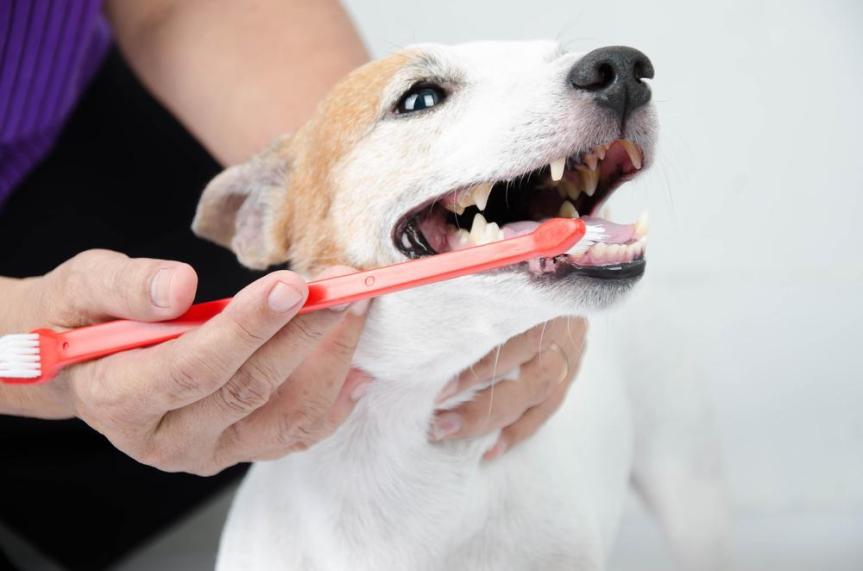
Brushing your pet’s teeth is the cornerstone of good dental hygiene. It helps remove plaque and prevent tartar buildup, which can lead to gum disease and tooth decay. For effective brushing, use a pet-specific toothbrush and toothpaste. Human toothpaste contains ingredients that can be harmful to pets if ingested.
Introduce tooth brushing gradually, allowing your pet to get used to the sensation. Start by letting them taste the toothpaste, then gently rub their teeth and gums with your finger before using the toothbrush. Aim to brush your pet’s teeth at least three times a week, but daily brushing is ideal.
Dental Chews and Toys
Dental chews and toys are excellent tools for maintaining your pet’s oral health. These products are designed to help clean your pet’s teeth and gums as they chew, reducing plaque and tartar buildup. Look for chews that are approved by the Veterinary Oral Health Council (VOHC), as these have been tested for effectiveness.
Chew toys can also play a significant role in your pet’s dental care. They not only provide mental stimulation and relieve boredom but also help keep their teeth clean. Ensure the toys are durable and appropriate for your pet’s size and chewing strength to avoid any choking hazards.
Professional Dental Cleanings
While at-home dental care is essential, professional cleanings by a veterinarian are equally important. During a professional cleaning, your vet will thoroughly clean your pet’s teeth, including areas that are difficult to reach with regular brushing. They can also perform dental X-rays to check for underlying issues that may not be visible on the surface.
It is recommended to have your pet’s teeth professionally cleaned at least once a year. However, the frequency may vary based on your pet’s breed, age, and overall dental health. Regular professional cleanings help prevent serious dental problems and keep your pet’s mouth healthy.
Healthy Diet
A balanced diet plays a crucial role in maintaining your pet’s dental health. High-quality pet food can help reduce plaque and tartar buildup. Some pet foods are specifically formulated to promote dental health, containing ingredients that help clean your pet’s teeth as they chew.
Avoid giving your pet sugary treats or table scraps, as these can contribute to dental problems. Instead, opt for healthy treats that are designed to support dental health. Fresh fruits and vegetables like carrots and apples can also be good for your pet’s teeth, providing a natural way to clean their teeth and gums.
Regular Dental Check-Ups
Regular dental check-ups with your veterinarian are essential for detecting and addressing dental issues early. During these visits, your vet will examine your pet’s mouth, teeth, and gums for any signs of problems such as plaque, tartar, or gingivitis. Early detection and treatment can prevent more serious health issues down the line.
Signs of Dental Problems
It’s important to be aware of the signs of dental problems in pets. Common symptoms include bad breath, excessive drooling, difficulty eating, red or swollen gums, and loose or missing teeth. If you notice any of these signs, schedule a visit to the vet immediately. Ignoring these symptoms can lead to severe dental and health issues.
Water Additives
Water additives are another useful tool in maintaining your pet’s dental health. These products are added to your pet’s drinking water and contain enzymes and other ingredients that help reduce plaque and freshen breath. Water additives are an easy way to support your pet’s oral hygiene, especially if they are resistant to tooth brushing.
Dental Wipes
Dental wipes can be a good alternative for pets that do not tolerate brushing. These wipes are designed to be rubbed against your pet’s teeth and gums to remove plaque and bacteria. While not as effective as brushing, they can still play a role in maintaining dental hygiene, especially when used regularly.
Maintaining your pet’s dental health requires consistent effort and attention. By incorporating regular brushing, providing dental chews and toys, scheduling professional cleanings, and ensuring a healthy diet, you can help keep your furry friend’s teeth and gums healthy. Remember, a healthy mouth contributes to a healthier, happier pet.
 The Pet Food Blog