

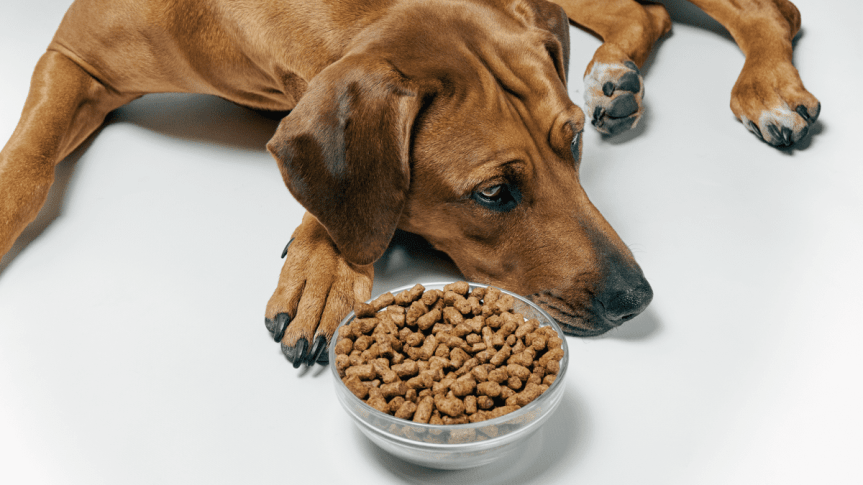
Choosing the right pet food involves understanding the various options available, each with its own benefits and potential drawbacks. Wet and dry pet foods are the two primary choices for pet owners, and understanding their differences can help you make the best decision for your pet’s health and well-being. This guide explores the key aspects of wet and dry pet food, providing you with the information needed to make an informed choice.
1. Composition and Moisture Content
The most obvious difference between wet and dry pet food is their moisture content.
Wet Pet Food:
High Moisture: Wet pet food contains approximately 70-80% water, which makes it a more hydrating option for pets. This higher moisture content can be beneficial for pets who may not drink enough water throughout the day.
Texture and Flavor: Wet food typically has a softer texture and stronger aroma, which can be more appealing to picky eaters or pets with dental issues.
Dry Pet Food:
Low Moisture: Dry pet food, often referred to as kibble, contains about 10-12% water. This lower moisture content makes it less likely to spoil and easier to store.
Crunchy Texture: The dry texture can help with dental health by reducing plaque and tartar buildup, though it’s not a substitute for regular dental care.
2. Nutritional Value
Both wet and dry pet foods can provide complete and balanced nutrition, but their nutritional profiles can differ.
Wet Pet Food:
High Protein and Fat Content: Wet food often has a higher fat content compared to dry food, which can be beneficial for pets with higher energy needs or those who are underweight.
Flavor and Palatability: The increased fat and moisture content can make wet food more flavorful and palatable, which is helpful for pets with reduced appetites or those recovering from illness.
Dry Pet Food:
Nutrient Density: Dry food is generally more nutrient-dense, meaning it provides a higher concentration of nutrients per serving. This is beneficial for maintaining a healthy weight and ensuring your pet receives balanced nutrition.
Added Nutrients: Many dry foods are fortified with additional nutrients, such as vitamins and minerals, which can support overall health.
3. Storage and Shelf Life
Storage requirements and shelf life can significantly impact your choice between wet and dry pet food.
Wet Pet Food:
Refrigeration Needed: Once opened, wet food must be refrigerated and used within a few days to prevent spoilage. Unopened cans or pouches have a longer shelf life, but they still need to be stored properly.
Shorter Shelf Life: Wet food generally has a shorter shelf life compared to dry food, which can be a consideration for those who prefer to stock up on pet food.
Dry Pet Food:
Convenient Storage: Dry food can be stored at room temperature in a cool, dry place. Its long shelf life and ease of storage make it a practical option for many pet owners.
Less Perishable: Due to its low moisture content and lack of refrigeration requirements, dry food is less prone to spoilage and can be kept for longer periods.
4. Cost Considerations
Cost can be a significant factor when choosing between wet and dry pet food.
Wet Pet Food:
Higher Cost: Wet food generally costs more per serving compared to dry food. This is due to its higher moisture content and the packaging involved.
Feeding Quantity: Since wet food has a higher moisture content, pets may require larger quantities to meet their caloric needs, potentially increasing overall feeding costs.
Dry Pet Food:
More Economical: Dry food is often more cost-effective, with a lower price per serving. It is also more compact and less expensive to ship and store.
Portion Control: With its concentrated nutrient profile, dry food can be easier to portion and manage feeding amounts, potentially reducing costs.
5. Dental Health Benefits
Dental health is an important aspect of pet care, and different types of food can impact it in various ways.
Wet Pet Food:
Less Abrasive: Wet food does not provide the same mechanical cleaning benefits as dry food. It is less likely to help with plaque and tartar removal.
Additional Care: Regular dental check-ups and cleanings are essential for pets eating wet food to maintain oral health.
Dry Pet Food:
Crunchy Texture: The crunchiness of dry food can help reduce plaque and tartar buildup on your pet’s teeth, supporting better dental health.
Supplementary Care: While dry food can aid in dental hygiene, it should not replace regular dental care and dental treats designed to clean teeth.
6. Dietary Considerations
Your pet’s specific dietary needs and preferences should influence your choice between wet and dry food.
Wet Pet Food:
Hydration Needs: Wet food is an excellent choice for pets who need additional hydration or have difficulty drinking enough water.
Palatability: It can be more suitable for pets with a decreased appetite or those recovering from surgery or illness.
Dry Pet Food:
Weight Management: Dry food is often recommended for pets prone to weight gain due to its lower moisture content and higher nutrient density.
Convenience: Dry food is easy to measure and store, making it a practical option for busy pet owners.
7. Combining Wet and Dry Food
Some pet owners opt to combine wet and dry food to balance the benefits of both types.
Combination Feeding:
Enhanced Palatability: Mixing wet and dry food can enhance flavor and texture, potentially making meals more appealing to your pet.
Nutritional Balance: Combining both types can provide a varied diet, though it’s important to adjust portions to avoid overfeeding and ensure balanced nutrition.
By understanding the differences between wet and dry pet food, you can make a choice that best meets your pet’s needs and preferences. Whether you prioritize moisture content, cost, or dental health benefits, each type of food offers unique advantages to support your pet’s overall well-being.
 The Pet Food Blog