

Pets, much like humans, are vulnerable to the challenges posed by extreme weather conditions. Whether it’s the sweltering heat of summer or the biting cold of winter, pets require special attention and care to ensure their well-being. Understanding how to protect your pet during these extreme weather conditions is crucial for their health and happiness. Here are some comprehensive seasonal pet care tips to help keep your furry friends safe and comfortable throughout the year.
Summer Care Tips
Hydration is Key
During the summer months, pets are at an increased risk of dehydration. Ensure your pet always has access to fresh, clean water. Consider placing multiple water bowls around your home and yard to encourage frequent drinking. For pets that spend a lot of time outdoors, portable water bottles and collapsible bowls can be handy during walks and outings.
Avoid Overheating
Pets can easily overheat, especially during peak temperatures. Limit outdoor activities to early morning or late evening when the temperature is cooler. Avoid strenuous exercise and provide plenty of shade for pets that are outdoors. Remember, if the pavement is too hot for your hand, it’s too hot for your pet’s paws.
Never Leave Pets in Cars
A parked car can quickly become a death trap for pets in the summer. Even with the windows cracked, temperatures inside a car can soar to dangerous levels within minutes. Always take your pet with you when you leave the car, no matter how quick you think your errand might be.
Sunscreen for Pets
Just like humans, pets can suffer from sunburn, especially those with short or light-colored fur. Use pet-safe sunscreen on exposed areas such as the nose, ears, and belly. Avoid human sunscreen as it may contain ingredients harmful to pets.
Winter Care Tips
Keep Them Warm
During winter, pets need extra warmth. Provide cozy bedding in a warm part of the house, away from drafts. Consider using heated pet beds or placing a blanket over their usual sleeping spot. If your pet is accustomed to being outdoors, ensure they have a well-insulated shelter that offers protection from wind, rain, and snow.
Limit Outdoor Time
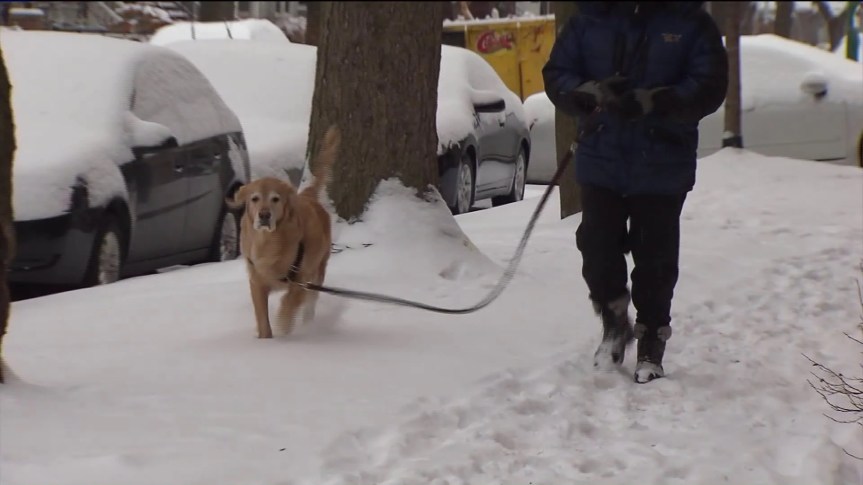
Cold weather can be harsh on pets, particularly those with short coats or those that are very young or old. Limit their time outdoors and supervise them closely. Short, frequent walks are better than long, extended periods outside. Watch for signs of discomfort such as shivering or reluctance to move.
Paw Care
Ice, snow, and salt can be tough on your pet’s paws. After walks, wipe their paws to remove any ice or salt, which can cause irritation or be ingested when they lick their paws. Consider using pet booties to protect their feet and applying a paw balm to keep their pads moisturized.
Avoid Antifreeze
Antifreeze is extremely toxic to pets, and unfortunately, it has a sweet taste that can attract them. Keep antifreeze and other chemicals out of reach, and clean up any spills immediately. If you suspect your pet has ingested antifreeze, contact your veterinarian immediately.
Rainy and Humid Weather Care
Keep Them Dry
Wet fur can lead to skin infections and discomfort. During rainy weather, use a pet raincoat to keep your pet dry. After walks, thoroughly dry your pet with a towel, paying special attention to their paws and underbelly.
Prevent Mold and Bacteria
Humid weather can promote the growth of mold and bacteria in your pet’s living environment. Regularly clean and dry their bedding, and ensure their living area is well-ventilated. Check their ears frequently, as humidity can lead to ear infections, especially in breeds with floppy ears.
Thunderstorm and Extreme Weather Preparation
Safe Space
Many pets are terrified of thunderstorms and extreme weather events. Create a safe, quiet space for your pet to retreat during these times. This can be a crate, a closet, or a small room where they feel secure. Playing soft music or white noise can help drown out the sounds of the storm.
Identification and Microchipping
Extreme weather can cause pets to panic and run away. Ensure your pet has proper identification, including a collar with an ID tag and a registered microchip. This increases the chances of a safe return if they get lost.
Emergency Kit
Prepare an emergency kit for your pet that includes food, water, medications, and important documents. In case of an evacuation, having these items ready can ensure your pet’s needs are met without delay.
Conclusion
Caring for pets during extreme weather conditions requires vigilance and proactive measures. By ensuring they are hydrated, protected from the elements, and provided with a safe environment, you can help your pets navigate the challenges of seasonal changes. A little extra care and attention go a long way in keeping your furry companions healthy and happy throughout the year.
 The Pet Food Blog