

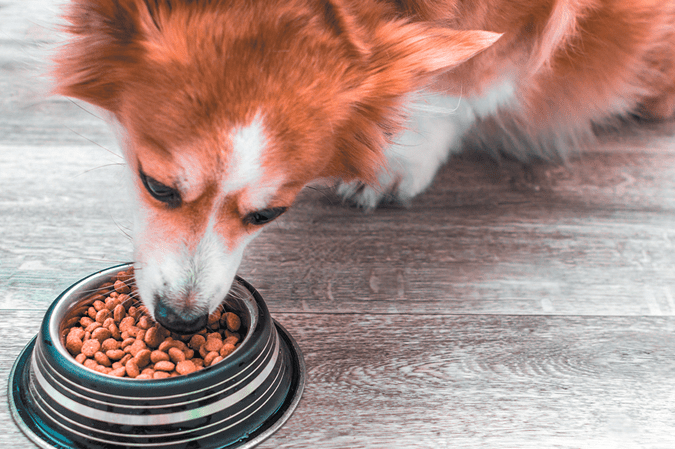
Changing your pet’s food can be a significant adjustment for their digestive system and overall health. Whether you’re switching brands, flavors, or types of food, it’s essential to make the transition smoothly to avoid digestive upset and ensure your pet adapts well to the new diet. This guide will walk you through a careful approach to transitioning your pet to a new food.
1. Plan the Transition Gradually
A sudden switch in diet can lead to gastrointestinal issues such as diarrhea, vomiting, or loss of appetite. A gradual transition helps your pet’s digestive system adjust to the new food without disruption.
Step-by-Step Process:
Start Slowly: Begin by mixing a small amount of the new food with your pet’s current food. This initial mix should be about 25% new food and 75% old food.
Increase Gradually: Over the next 7 to 10 days, gradually increase the proportion of the new food while decreasing the old food. For example, move to a 50/50 mix by day 3, and then to 75% new food and 25% old food by day 7.
Monitor Your Pet: Keep an eye on your pet’s digestive health throughout the transition. Watch for any signs of distress or discomfort and adjust the transition pace if necessary.
2. Choose the Right New Food
Selecting the appropriate new food is crucial for a smooth transition. Ensure the new food meets your pet’s nutritional needs and is suitable for their age, size, and health condition.
Considerations:
Nutritional Balance: Ensure the new food provides a balanced diet appropriate for your pet’s life stage (puppy, adult, senior) and specific needs (weight management, allergy-friendly, etc.).
Ingredients: Look for high-quality ingredients, such as named proteins and whole foods. Avoid foods with excessive fillers, artificial colors, or preservatives.
Consult Your Vet: If you’re unsure which food is best, consult your veterinarian. They can recommend options based on your pet’s health and dietary requirements.
3. Observe Your Pet’s Reaction
During the transition, it’s important to observe how your pet responds to the new food. Any changes in behavior, appetite, or stool quality can indicate how well they’re adjusting.
Signs to Watch For:
Appetite Changes: If your pet suddenly loses interest in food or becomes overly ravenous, this might be a sign of digestive discomfort.
Digestive Issues: Monitor for symptoms like diarrhea, constipation, or vomiting. These issues could indicate that the new food is not agreeing with your pet.
Energy Levels: A decrease in energy or unusual lethargy might suggest that the new food is not meeting your pet’s nutritional needs.
4. Adjust Based on Feedback
Based on your observations, you may need to adjust the transition process or make changes to the new food.
Possible Adjustments:
Slow the Transition: If your pet shows signs of digestive distress, slow down the transition process. Extend the mixing period to allow their system more time to adapt.
Choose a Different Food: If issues persist despite a gradual transition, consider trying another food. Sometimes, pets may have sensitivities or allergies to specific ingredients.
5. Maintain Consistency
Once the transition is complete, maintaining a consistent feeding routine is essential for your pet’s health.
Tips for Consistency:
Feeding Schedule: Stick to a regular feeding schedule and portion sizes. Consistent feeding helps regulate your pet’s digestion and appetite.
Avoid Frequent Changes: Frequent changes in food can lead to digestive issues. Once your pet is adjusted to the new food, avoid switching unless necessary for health reasons.
6. Address Potential Issues with Your Veterinarian
If you encounter any ongoing issues during the transition, consult your veterinarian for guidance. They can provide insights into any health concerns and recommend solutions.
When to Seek Vet Advice:
Persistent Digestive Problems: If symptoms like diarrhea or vomiting continue beyond a few days, professional advice is needed to rule out underlying health issues.
Nutritional Concerns: If you’re unsure whether the new food meets your pet’s needs, your vet can help assess its suitability and make further recommendations.
7. Ensure Proper Hydration
Throughout the transition, make sure your pet has access to fresh water. Proper hydration is crucial for maintaining digestive health and overall well-being.
Hydration Tips:
Fresh Water Supply: Always provide clean, fresh water alongside meals. Dehydration can exacerbate digestive issues.
Monitor Water Intake: Keep an eye on how much water your pet drinks, as changes in diet can sometimes affect their hydration levels.
8. Be Patient and Observant
Transitioning your pet to a new food requires patience and careful observation. Every pet is unique, and their adaptation to a new diet can vary.
Patience Tips:
Adjust Transition Time: If necessary, extend the transition period to ensure your pet adjusts comfortably.
Document Changes: Keep notes on your pet’s response to the new food. This record can be helpful if you need to consult your veterinarian or make further adjustments.
By following these guidelines, you can help your pet transition to their new food smoothly and comfortably, ensuring they continue to thrive and enjoy their meals.
 The Pet Food Blog